November 5, 2026
In recent years, auto repair costs have increased, leaving vehicle owners searching for effective ways to manage maintenance expenses. Routine inspections provide a proactive approach to maintaining vehicle health and reducing the likelihood of unexpected mechanical problems. By regularly examining essential components, drivers can identify potential issues before they develop into expensive complications. This preventive strategy also improves vehicle reliability, safety, and overall performance.
Manufacturers and automotive professionals emphasize the importance of regular inspections as part of responsible vehicle ownership. Consistent maintenance helps establish predictable service schedules and reduces the risk of sudden breakdowns. Understanding which components require attention allows drivers to make informed decisions about their vehicles. Investing in preventive maintenance can ultimately prove more economical than dealing with extensive mechanical failures.
Understanding the Importance of Routine Inspections
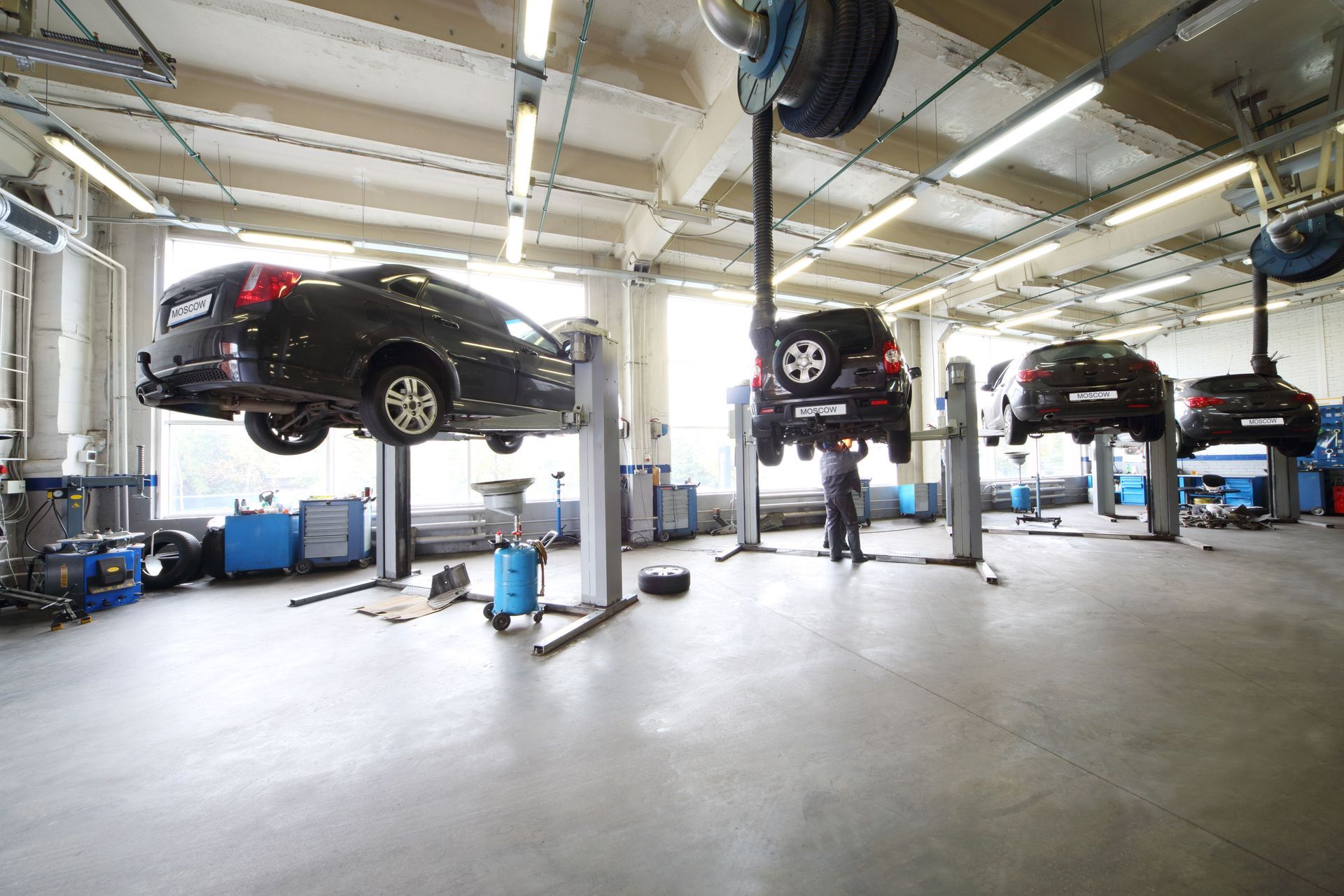
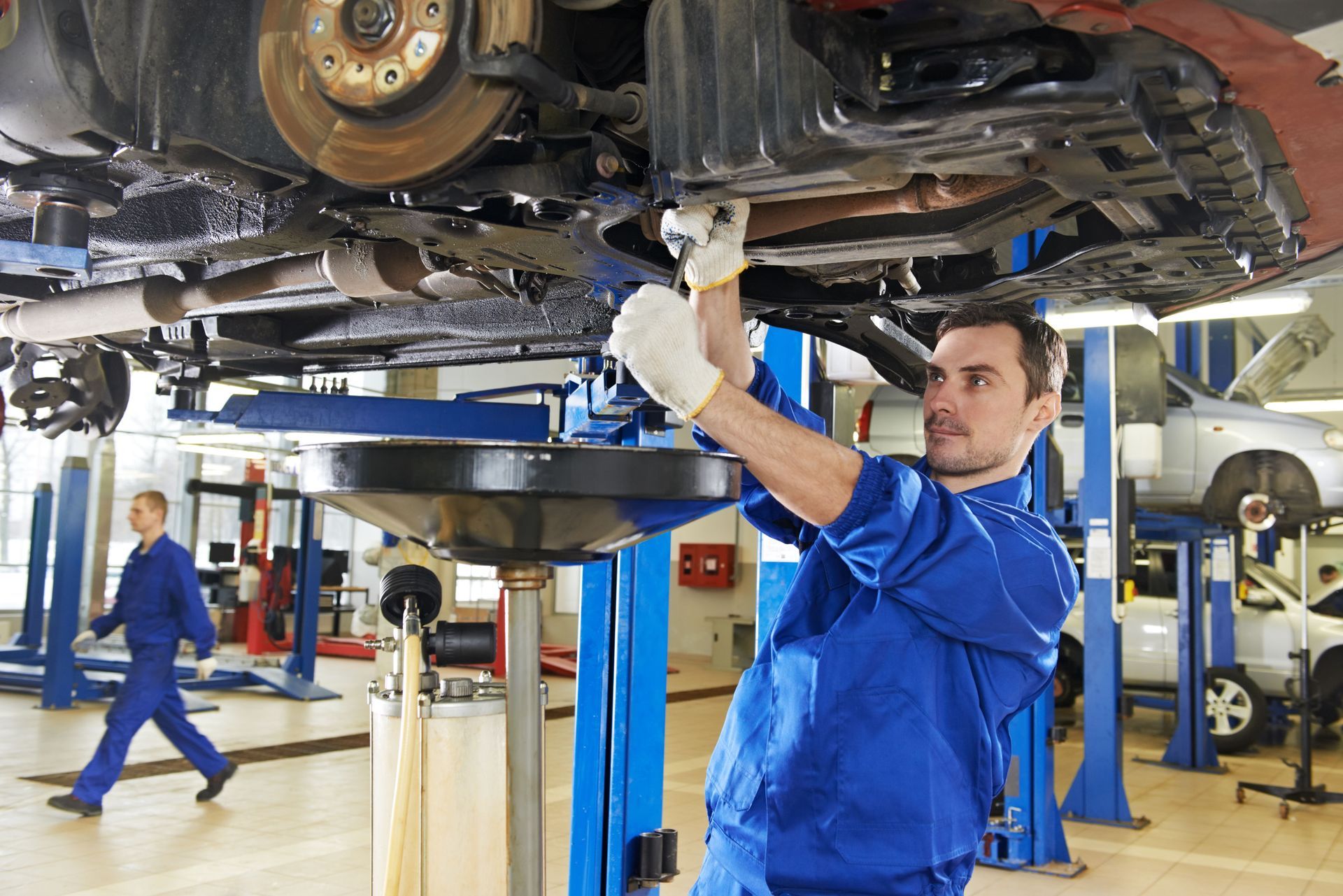
Routine inspections involve evaluating critical vehicle components to identify developing problems. Technicians typically examine the engine, brakes, tires, fluid levels, suspension, and electrical systems. These assessments help determine whether individual components are functioning properly or require maintenance.
Professional technicians use specialized equipment to detect problems that might otherwise remain unnoticed. Inspections can also be customized according to vehicle age, mileage, manufacturer recommendations, and driving conditions. This personalized approach helps ensure that maintenance addresses the vehicle's actual needs.
Scheduling inspections consistently can reduce unexpected auto repair expenses by allowing technicians to resolve minor concerns before they become serious. Drivers also benefit from improved confidence in their vehicle's dependability during everyday transportation.
Recognizing the Financial Consequences of Neglected Maintenance
Neglecting vehicle inspections can allow minor mechanical problems to develop into expensive failures. A small coolant leak, for example, might eventually cause engine overheating if left unaddressed. Similarly, worn brake pads can damage rotors, increasing the overall cost of restoring braking performance.
According to the Federal Trade Commission, replacement automotive parts generally fall into three categories: new, remanufactured or rebuilt, and salvaged. Understanding these options becomes important when mechanical problems require replacement components. However, preventing unnecessary damage is often more economical than purchasing replacement parts.
Regular inspections help minimize unexpected auto repair bills by identifying deterioration before additional systems become affected. Addressing concerns promptly can also prevent extended vehicle downtime and transportation disruptions.
Addressing Common Misconceptions About Vehicle Inspections
Some drivers assume that relatively new vehicles do not require routine inspections. However, newer automobiles can still experience premature component wear, manufacturing defects, and unexpected mechanical problems. Regular evaluations help identify these concerns while supporting manufacturer-recommended maintenance schedules.
Another misconception involves relying exclusively on visual examinations. Although drivers can identify obvious problems, many mechanical and electrical issues require professional diagnostic equipment. Modern vehicles contain interconnected electronic systems that can develop faults without displaying immediately noticeable symptoms.
Routine inspections also complement preventive maintenance activities such as oil changes, tire rotations, and filter replacements. Combining these services creates a comprehensive approach to vehicle care that promotes reliability and reduces avoidable expenses.
Inspecting Engine Components and Preventing Mechanical Failures
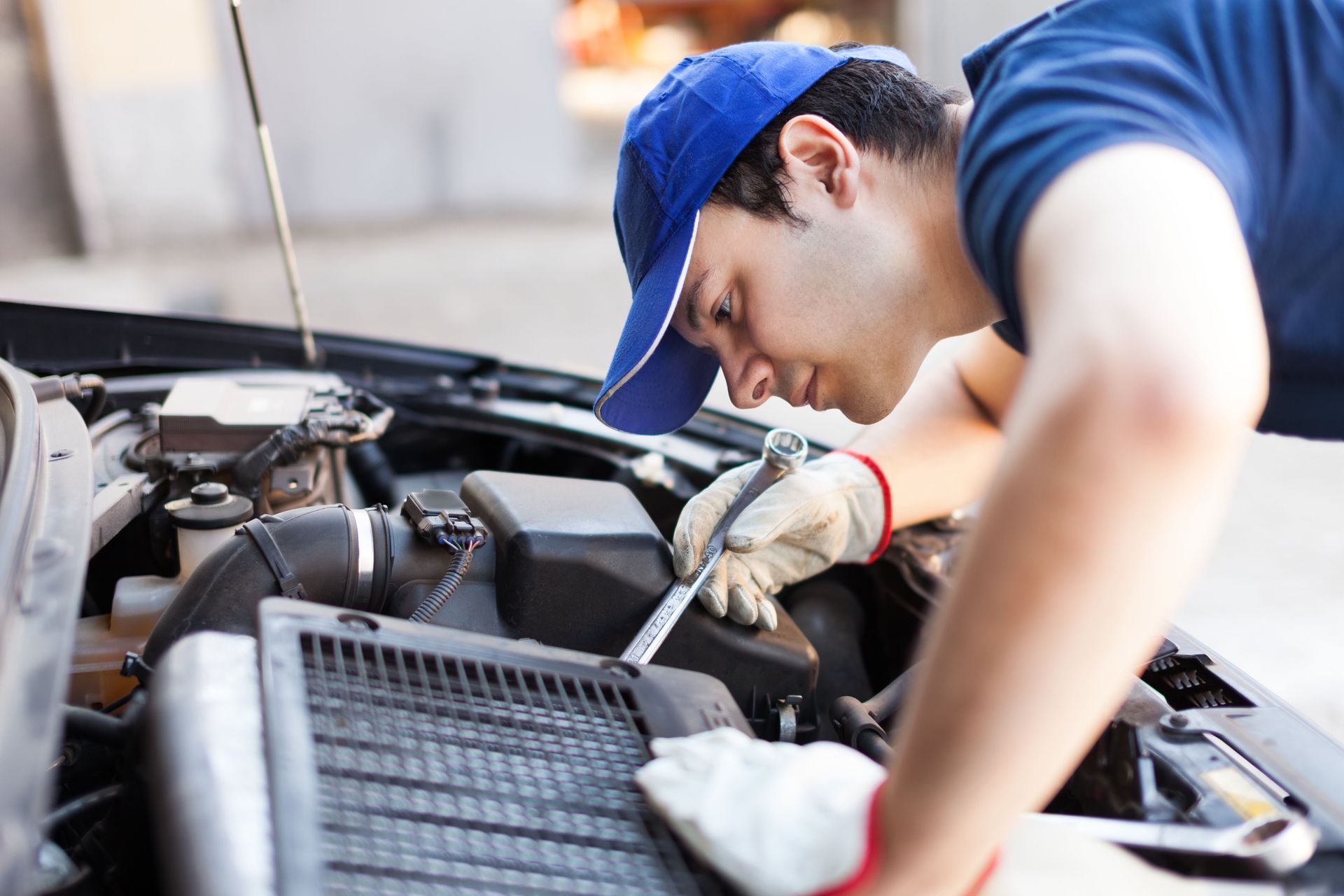
The engine contains numerous interconnected components that require consistent monitoring. Technicians inspect belts, hoses, spark plugs, filters, and battery connections for signs of deterioration. Identifying worn components early can prevent starting difficulties, engine misfires, and unexpected breakdowns.
Fluid leaks represent another important concern during engine inspections. Escaping oil or coolant can compromise lubrication and temperature regulation, potentially causing extensive internal damage. Technicians examine fluid conditions and investigate suspicious residue around mechanical components.
Routine engine evaluations also include checking air intake systems and identifying performance irregularities. Proper airflow, effective combustion, and adequate lubrication contribute to efficient operation. These preventive measures can reduce the likelihood of expensive auto repair procedures involving major engine components.
Maintaining Brake Safety and Reliable Stopping Performance
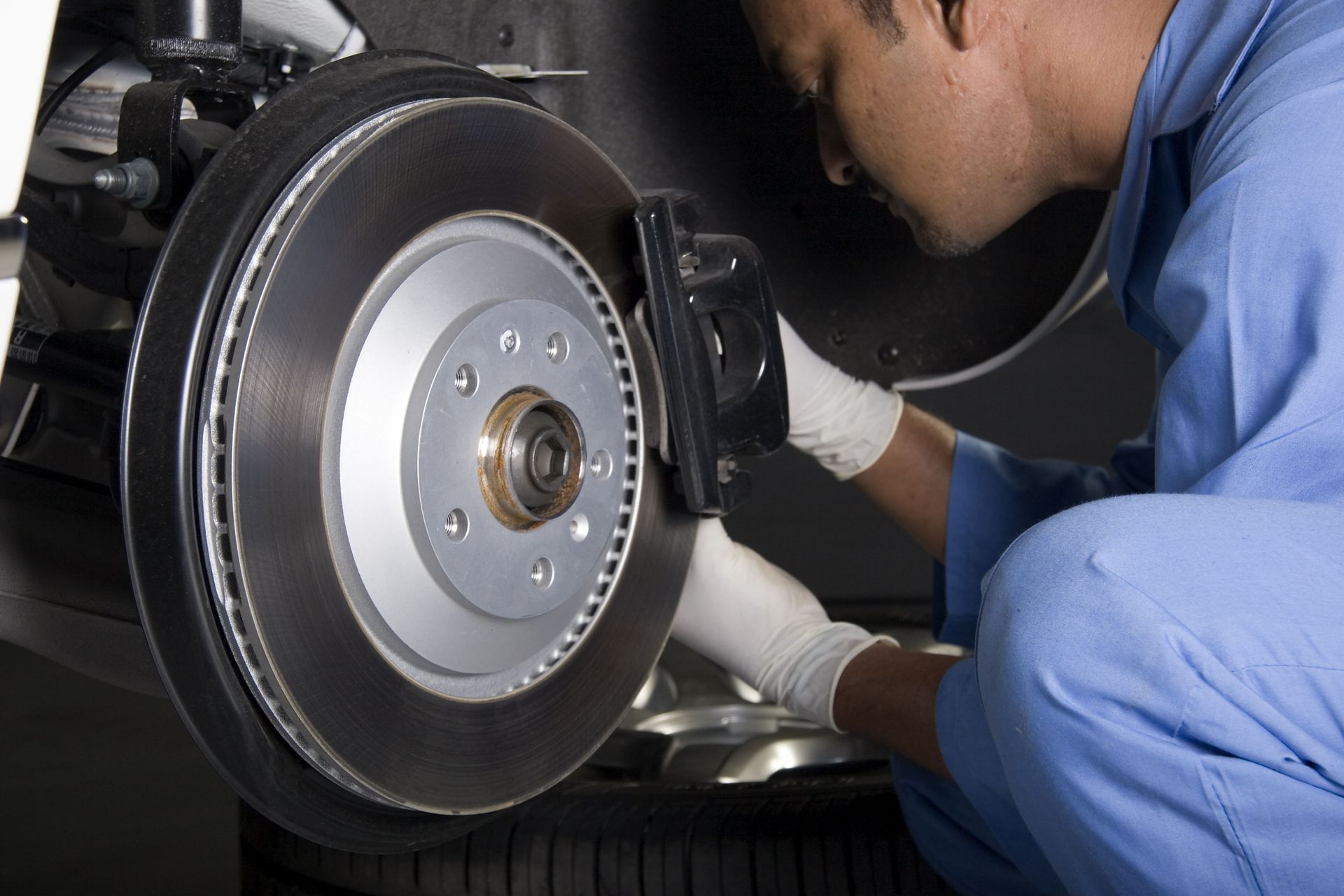
Brake inspections are essential for maintaining safe driving conditions. Technicians evaluate brake pads, rotors, calipers, fluid levels, and hydraulic connections to identify excessive wear or developing problems. These components work together to provide controlled stopping performance.
Unusual squealing, grinding, vibrations, or increased stopping distances may indicate that maintenance is necessary. Addressing these warning signs promptly can prevent additional component damage and reduce potential safety hazards.
Professional inspections may also identify problems involving anti-lock braking systems and electronic safety features. Maintaining these systems supports dependable braking performance during emergencies and challenging road conditions.
Evaluating Tires, Suspension, and Wheel Alignment
Tires directly influence vehicle handling, traction, fuel efficiency, and passenger safety. Routine inspections involve measuring tread depth, checking inflation pressure, and examining tires for punctures, cracking, or uneven wear. Maintaining appropriate tire pressure helps prevent premature deterioration.
Uneven tread patterns may indicate suspension problems, incorrect alignment, or improperly balanced wheels. Identifying these conditions early allows technicians to recommend corrective maintenance before additional damage occurs.
Regular tire rotations can also promote more consistent wear across all four tires. Drivers who prioritize these inspections may extend tire lifespan, improve handling, and reduce replacement expenses. Proper suspension maintenance additionally contributes to a smoother and more comfortable driving experience.
Monitoring Essential Fluids and Electrical Systems
Vehicle fluids perform important functions involving lubrication, cooling, hydraulic pressure, and component protection. Technicians inspect engine oil, coolant, transmission fluid, brake fluid, and other applicable fluids for contamination, leakage, or insufficient levels.
Low or deteriorated fluids can accelerate component wear and increase the likelihood of mechanical failures. Identifying these conditions early helps prevent expensive auto repair work involving transmissions, engines, and hydraulic systems.
Electrical inspections are equally important because modern automobiles rely on batteries, alternators, sensors, and electronic control modules. Technicians use diagnostic equipment to evaluate electrical performance and investigate warning indicators.
Battery testing can identify declining capacity before starting problems occur. Similarly, checking charging systems and electrical connections helps prevent unexpected power interruptions. These evaluations contribute to dependable vehicle operation throughout changing weather conditions.
Understanding the Long-Term Financial Benefits
Routine inspections offer several financial advantages beyond preventing immediate mechanical failures. Consistent maintenance can extend vehicle lifespan by reducing unnecessary wear and protecting expensive components. Drivers may consequently postpone major replacements and continue using their vehicles reliably.
Maintaining proper tire pressure, addressing malfunctioning sensors, and replacing deteriorated components can also support fuel efficiency. Although savings vary according to vehicle condition and driving habits, improved mechanical performance may reduce operating expenses.
Documented maintenance histories can additionally strengthen resale appeal. Potential buyers often appreciate evidence that a vehicle has received consistent professional attention. Detailed records provide reassurance about previous ownership and help establish confidence during negotiations.
Preventive maintenance also makes budgeting more manageable. Instead of facing unpredictable auto repair expenses, owners can plan for scheduled inspections and anticipated component replacements. This approach supports better financial preparation and reduces the inconvenience associated with emergency mechanical work.
Using Modern Diagnostic Technology for Early Detection
Modern automotive technology has significantly improved the accuracy of vehicle inspections. Computerized diagnostic equipment communicates with onboard systems to retrieve fault codes and evaluate electronic performance. These tools help technicians investigate problems involving engines, transmissions, emissions equipment, and safety systems.
Dashboard warning lights often indicate that additional investigation is necessary. However, diagnostic codes identify potential problem areas rather than automatically confirming which components require replacement. Professional interpretation and further testing remain essential for accurate assessments.
Software updates and electronic calibrations also play increasingly important roles in vehicle maintenance. Certain updates may address performance concerns, improve system compatibility, or correct manufacturer-identified issues. Technicians can determine whether applicable updates or calibrations are necessary during scheduled service appointments.
Routine inspections provide a practical strategy for reducing unexpected auto repair costs while supporting safety, reliability, and vehicle longevity. Addressing minor concerns before they escalate helps protect expensive mechanical systems and minimize transportation disruptions. By combining professional inspections, responsible driving habits, and consistent preventive maintenance, vehicle owners can protect their investments and enjoy more dependable transportation for years to come. Contact Wieland Automotive today and learn more about our auto repair services.