September 4, 2026
Brakes are a critical component of vehicle safety. Recognizing the warning signs that indicate you need immediate brake repair can prevent dangerous driving situations and costly repairs down the line. This article will guide you through the most common symptoms that suggest your braking system requires urgent attention. Understanding these warning signs not only ensures your safety but also prolongs the lifespan of your vehicle. By staying informed, you can take proactive measures to address issues as soon as they arise.
Detecting Screeching or Squealing Noises
Identifying High-Pitched Squeals When Braking
A high-pitched squeal when applying brakes often indicates worn brake pads. This sound is typically a result of the brake pad's wear indicator, a small metal tab that makes contact with the rotor when the pads have worn down sufficiently. It's an engineered noise intended to warn drivers of necessary maintenance before more severe damage occurs. Interestingly, this squeal can also be heard in humid conditions or after a vehicle has been sitting idle for some time. When consistently heard during braking, it signifies the need for your pads to be evaluated and possibly replaced through timely brake repair.
Understanding Causes of Brake Pad Wear
Brake pads naturally wear down over time due to friction with the rotors. Aggressive driving, frequent heavy braking, and carrying heavy loads can accelerate this wear. Dust and debris on the rotor's surface can increase friction, further speeding up pad deterioration. The average car, driven under standard conditions, requires brake pad replacement every 20,000 to 65,000 miles. However, it's crucial to factor driving habits and environmental conditions into estimates, as they substantially impact wear rates and the frequency of professional brake repair.
Knowing When to Consult a Professional
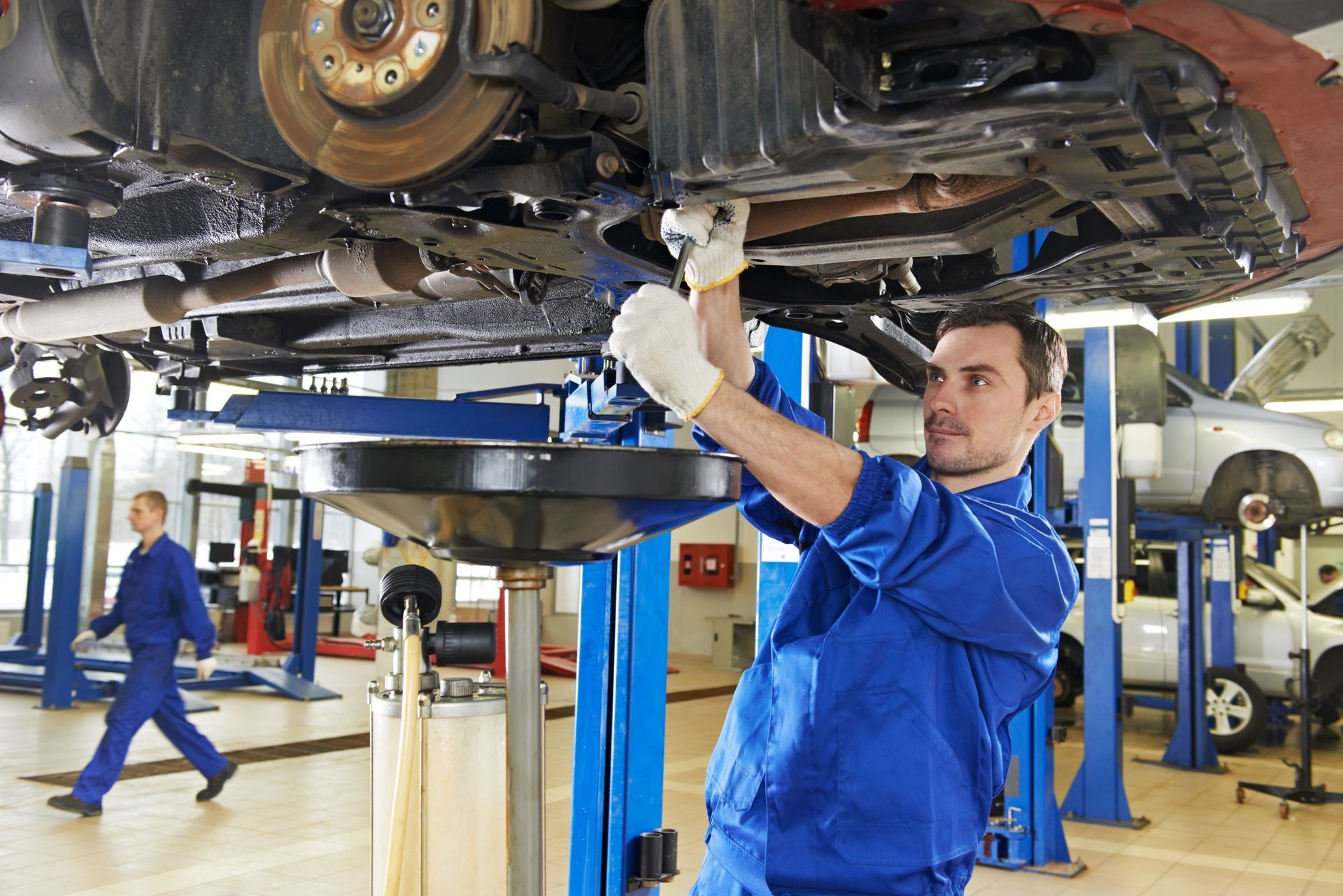
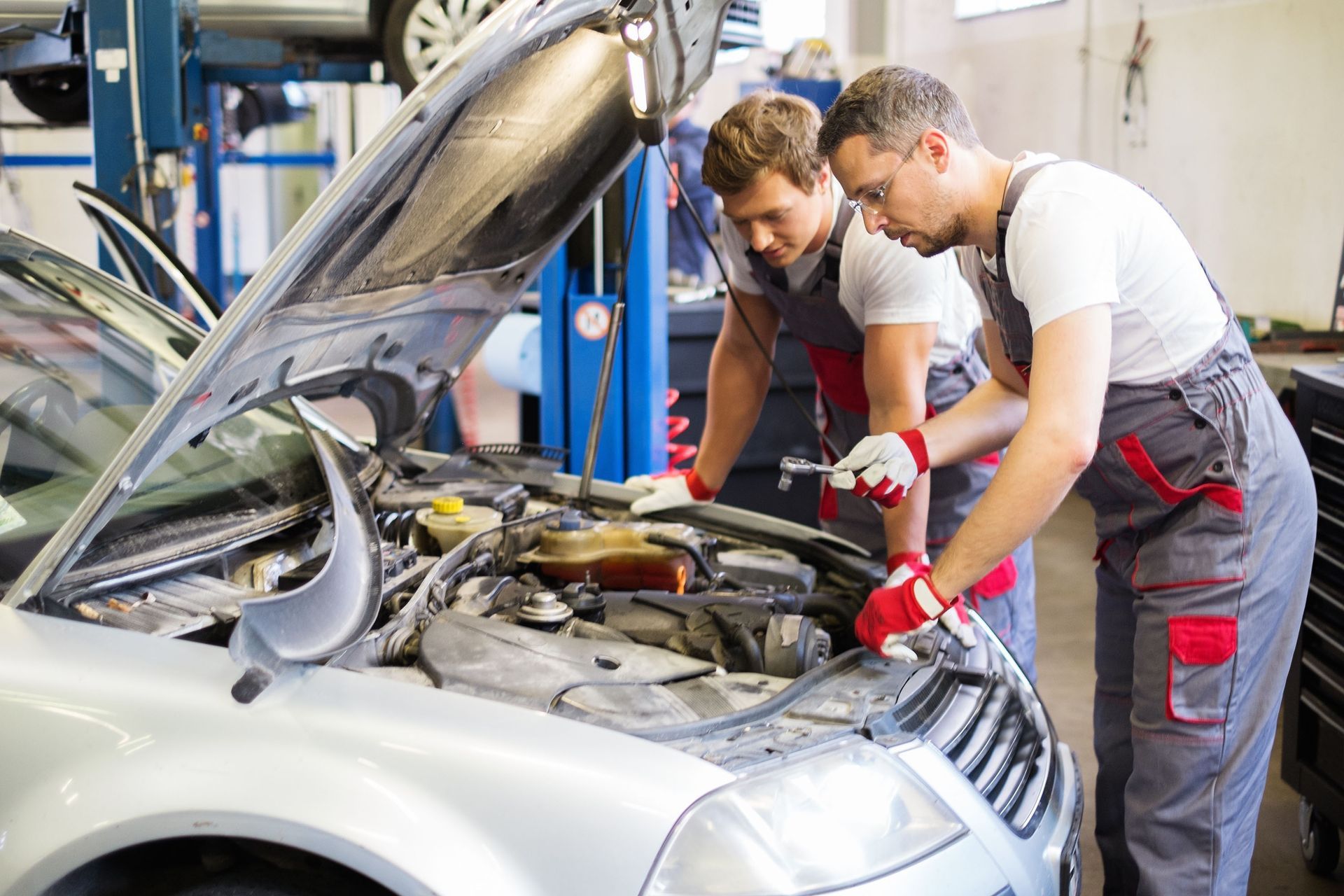
A consistent squeal or any unusual brake noise should prompt a consultation with a professional mechanic for immediate brake repair. Given that brake issues can escalate rapidly, they can translate into costly repairs or dangerous driving if left unaddressed. Professionals have the expertise and tools necessary to diagnose the exact cause and recommend appropriate solutions. According to IBISWorld, the average car body repair shop has at least three employees, ensuring that clients receive comprehensive and prompt service. Taking early action can prevent further damage and maintain vehicle safety.
Recognizing Grinding Sounds While Braking
Differentiating Between Squealing and Grinding
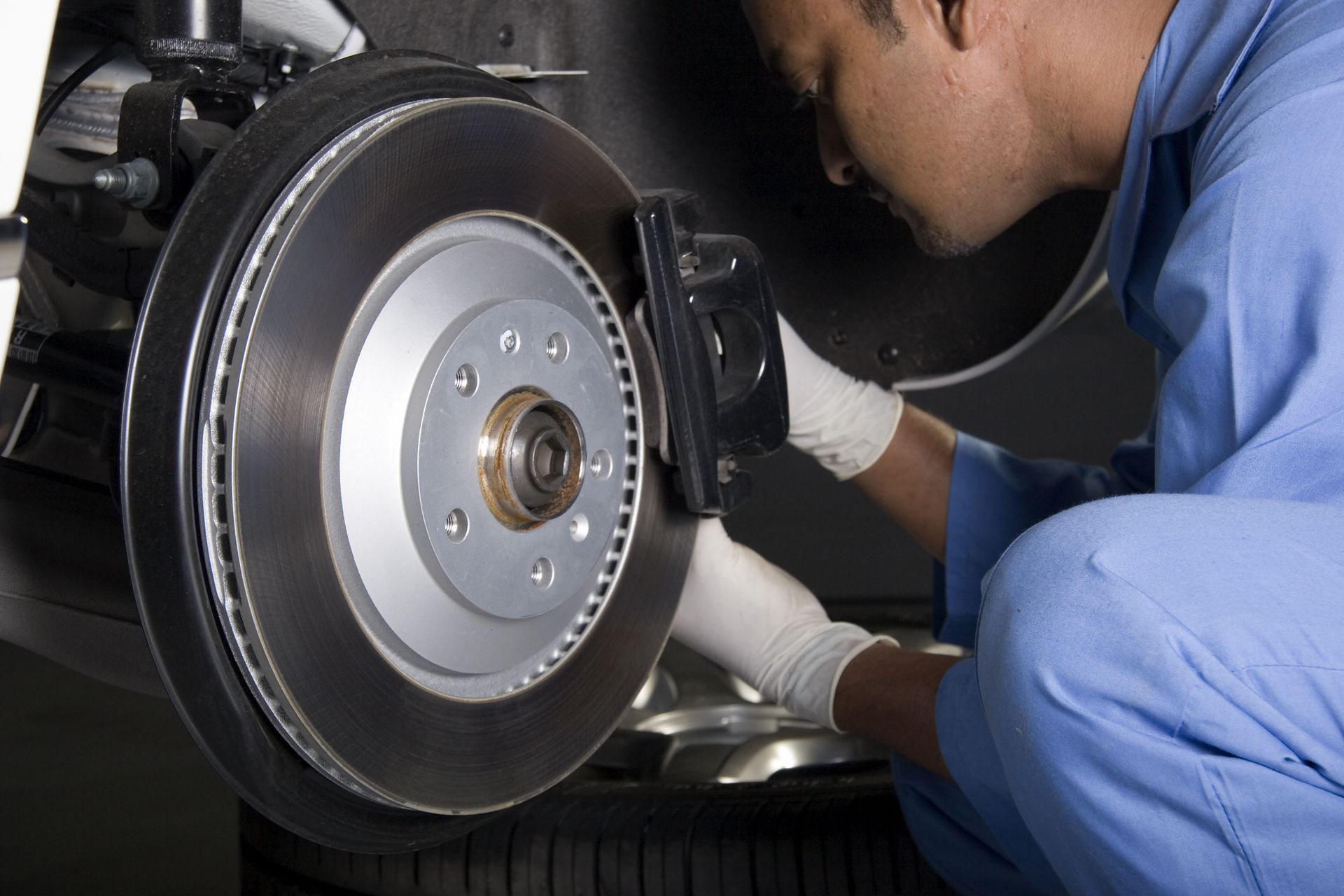
While squealing brakes often signal worn pads, grinding noises are more severe and usually indicate direct contact of metal to metal. This sound suggests that the brake pads are completely worn down, allowing the backing plate to make contact with the brake rotor. It's a sign of neglect that not only affects performance but also risks permanent damage to the braking components. Unlike a squeal, which provides a warning, a grinding noise indicates immediate brake repair is required. Ignoring it may lead to new rotors, substantially increasing repair costs.
Analyzing Effects of Metal-to-Metal Contact
Metal-to-metal contact during braking can quickly degrade the rotor's surface, making it uneven and less effective. This condition not only diminishes stopping power but also causes further damage to other brake components, like calipers and wheel bearings. Over time, it can warp the rotor, leading to pulsating brakes and additional safety risks. The friction generated by this contact increases the heat produced, accelerating wear and potential failure. Given these factors, scheduling urgent brake repair to address metal-to-metal contact without delay is imperative.
Evaluating Risks of Rotor Damage
Continued driving with grinding brakes typically results in rotor damage, which can sometimes become irreversible. Deep grooves may form on the rotor's surface, causing a significant reduction in braking efficiency and releasing hot spots. Once rotors are damaged, resurfacing or replacement becomes necessary to restore optimal function. The cost of replacing rotors is significantly higher than basic brake repair for pads, making early intervention financially prudent. Regular inspections can help identify early signs of rotor wear and prevent extensive damage.
Addressing a Soft or Spongy Brake Pedal
Identifying Brake Fluid Leaks
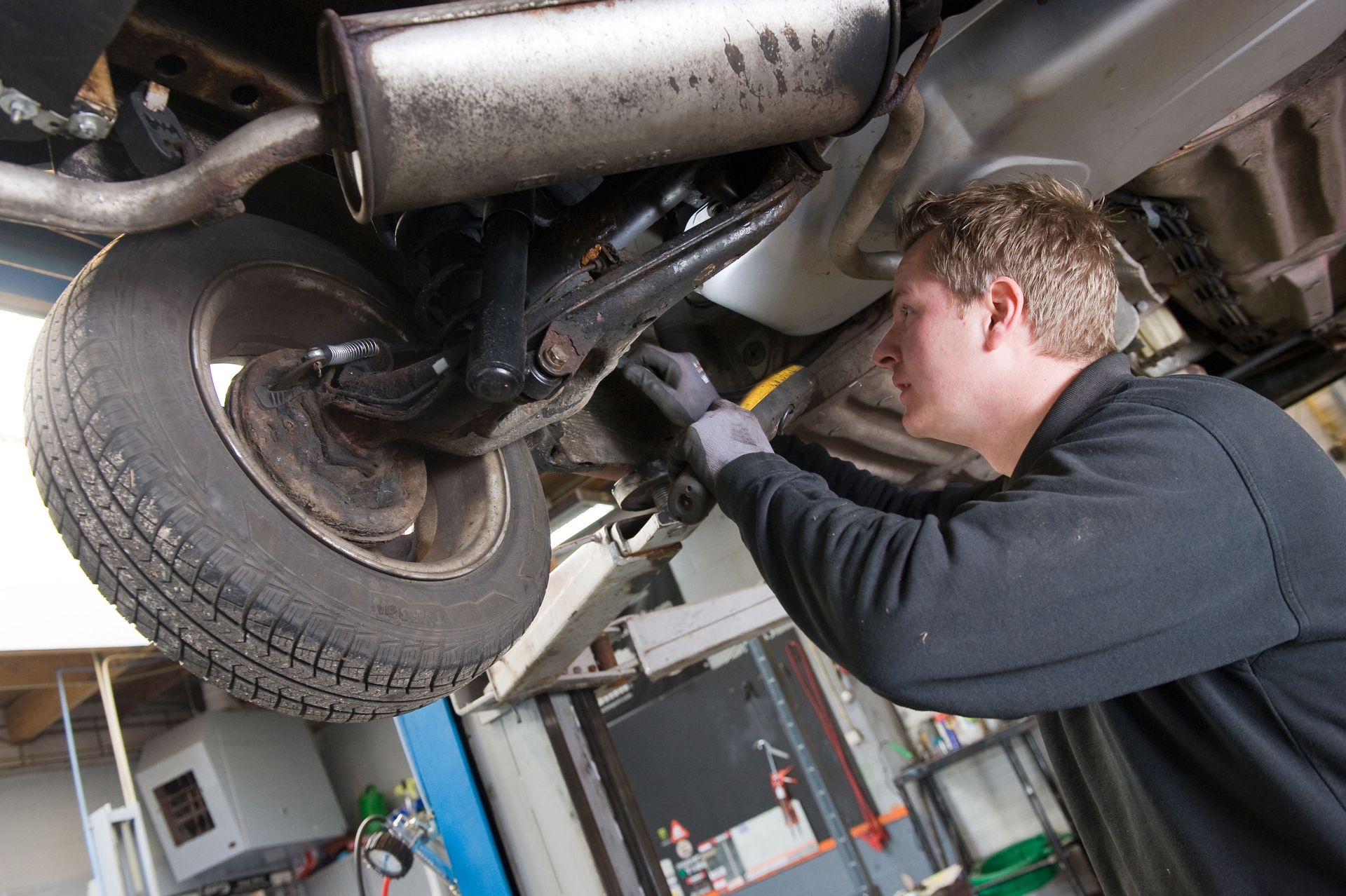
A soft or spongy brake pedal often indicates a potential brake fluid leak, which undermines hydraulic pressure critical for stopping power. Fluid leaks can originate from various system parts, such as the brake lines, hoses, or the master cylinder. Not only does this leak reduce the system's efficiency, but it also compromises the entire braking operation. Regularly checking beneath your vehicle for fluid puddles can help detect leaks early. Prompt identification and professional brake repair can prevent further complications and ensure brake reliability.
Bleeding the Brake Lines for Optimum Pressure
Bleeding the brake lines is essential to remove any air that may have entered the hydraulic system. Air pockets can lead to a soft or spongy feeling when the brake pedal is applied, reducing the driver's control. Performing this maintenance task regularly ensures that the hydraulic system maintains optimum pressure, necessary for effective braking. Professional mechanics have the expertise to perform this task efficiently, safeguarding against potential system failure. Regular checks and bleedings help prolong the life of brake components and sustain their performance.
Diagnosing Faulty Master Cylinder Symptoms
The master cylinder is a pivotal part of the braking system that generates the hydraulic pressure needed to activate the brakes. Symptoms of a failing master cylinder include a spongy brake pedal, brake fluid leaks around it, or a lack of braking pressure. Such failures can compromise the entire braking system, significantly lowering safety standards. Recognizing these symptoms early ensures timely brake repair or component replacement, averting dangerous driving conditions. Regular inspections by professionals can diagnose early signs of master cylinder wear or failure.
Responding to Brake Warning Light Activation
Understanding the Brake System Warning Light
The brake warning light alerts drivers to potential issues within the braking system that require attention. This indicator can signify a variety of problems, from low brake fluid levels to more severe system malfunctions requiring comprehensive brake repair. Taking the time to understand the light's activation is essential to addressing the underlying issues promptly. Ignoring the warning light can lead to further detrimental effects in your braking system, compromising safety. Prompt professional evaluation is advised to diagnose and rectify issues effectively.
Monitoring Sensors and Their Role in Modern Vehicles
Modern vehicles are equipped with sensors that monitor and relay information about brakes, enhancing driver awareness. These sensors detect various conditions like pad thickness, fluid levels, and component functionality, communicating through the brake warning light. Prompt reaction to these alerts ensures timely interventions and necessary brake repair, maintaining system efficiency and safety. Technological advancements in sensor accuracy offer drivers essential real-time feedback. Utilizing this feedback reduces risks and allows for precise diagnostics by professionals.
Interpreting the ABS System Warning
In addition to the basic brake warning, an ABS warning light may illuminate, indicating issues with the anti-lock braking system. Such problems might include sensor malfunctions, fluid leaks, or deteriorating ABS pumps. The ABS plays a crucial role in preventing wheel lock during abrupt stops, enhancing vehicle control. Ignoring the ABS warning can severely impair braking effectiveness, leading to unsafe driving conditions. Seeking expert oversight can ensure the ABS functions optimally, preserving overall safety.
Recognizing the warning signs of brake issues is essential in maintaining vehicular safety and avoiding costly repairs. Should you encounter any of these symptoms, seek professional assistance immediately to ensure your vehicle remains safe on the road and operates efficiently. Regular maintenance and timely interventions can extend the life of your brake system and provide peace of mind. Keeping brakes in optimal condition ensures reliable performance and maximizes safety for all road users. Prioritizing brake maintenance supports vehicle longevity and safeguards driver safety.
Ensure your vehicle stops safely every time by contacting Wieland Automotive today to schedule your expert brake inspection and repair service!